Fiduciary, not a party
An executor holds property belonging to beneficiaries and owes duties to creditors, which makes the filing an act on behalf of others. That is the legal reason a non-lawyer cannot sign the application for the estate.
Settling a deceased person's estate in Texas: probate court procedures, when an attorney is required, and what the process costs
An executor holds property belonging to beneficiaries and owes duties to creditors, which makes the filing an act on behalf of others. That is the legal reason a non-lawyer cannot sign the application for the estate.
An application for probate is posted by the clerk and cannot be heard until the statutory waiting period has run. Nothing about hiring counsel shortens that interval.
A will signed with a self-proving affidavit is admitted on the document itself, while one without it requires testimony from a subscribing or disinterested witness. Checking for that affidavit early tells you whether witnesses must be located.
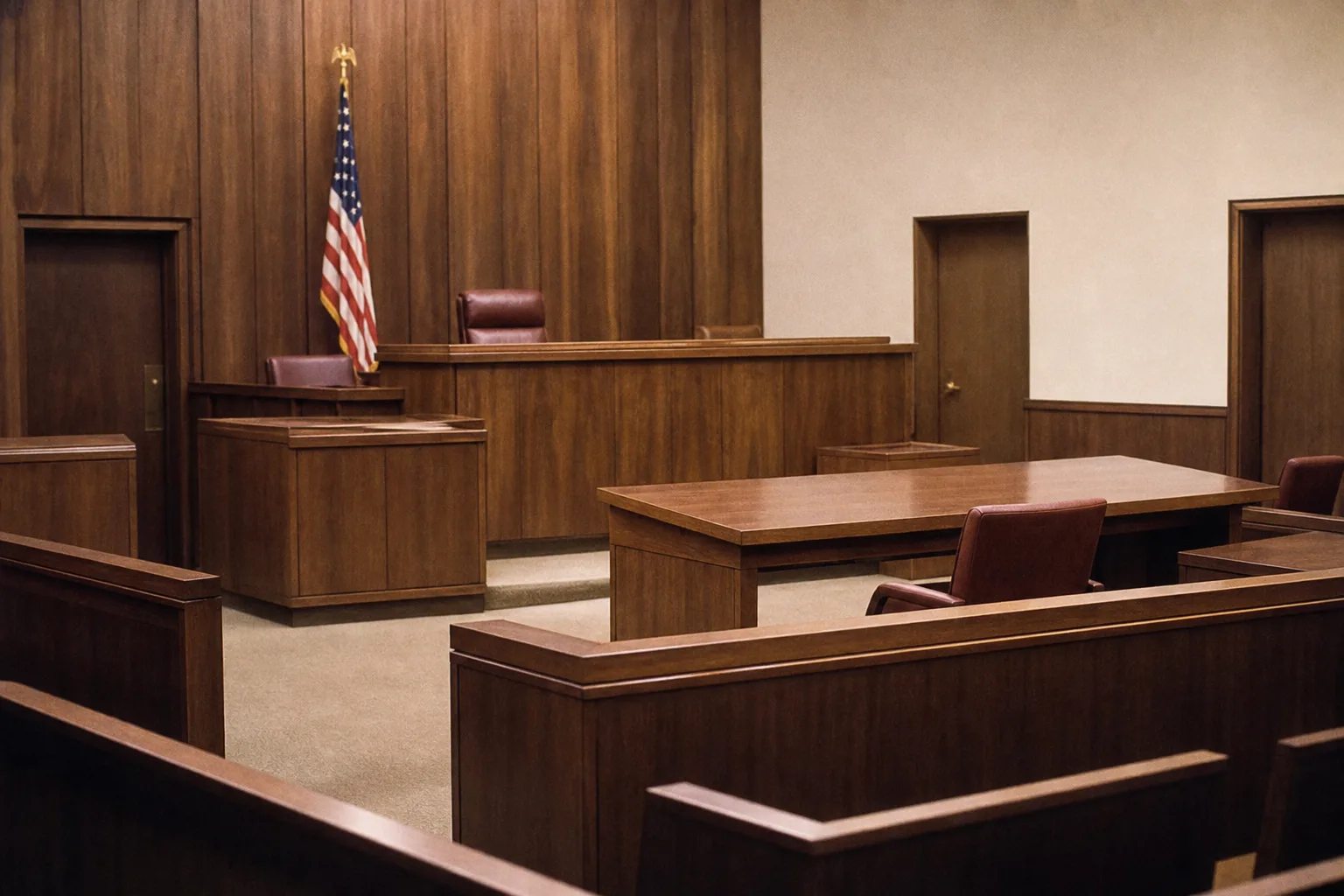
The refusal usually arrives at the counter, politely and without much explanation. An applicant brings a will, a death certificate, and a form downloaded from somewhere, and is told the court cannot accept it without an attorney of record. The reason is not a local preference or a revenue protection scheme. Texas treats a personal representative as acting for other people, the beneficiaries under the will and the creditors of the estate, and a non-lawyer who represents other people's interests in court is practicing law without a license. The distinction turns on who benefits from the filing, not on how complicated it is.
A person may always appear pro se on his own behalf, and that right is not in question in El Paso County or anywhere else in Texas. An estate is different. Once letters testamentary issue, the executor holds property that belongs to other people, answers to creditors who have not yet been paid, and files documents the court relies on when it releases assets. The applicant is a fiduciary, not a party pursuing a personal claim. Compare the two postures honestly and the rule stops looking arbitrary: one filing risks only the filer, the other risks strangers who never chose him.
The work is narrower than most people expect and more procedural than adversarial. The attorney drafts the application for probate of will and issuance of letters testamentary, verifies it, and files it in one of the county's statutory probate courts, where it is posted for the statutory waiting period before it can be heard. At the hearing the will is proved up, either on the self-proving affidavit signed with the will or through witness testimony, and the applicant is questioned on the record about the decedent, the will, and his own qualification. Counsel then presents the order, administers the oath, and orders certified letters.
After qualification the calendar tightens. Notice to unsecured creditors is published in a newspaper of general circulation in the county, and certified notice goes to secured creditors within the statutory window. Beneficiaries receive their own written notice, with an affidavit filed to prove it was sent. Within ninety days of qualification the estate files either a sworn inventory, appraisement, and list of claims, or, when no unpaid debts other than those secured by real property and taxes remain, an affidavit in lieu of inventory that keeps asset values off the public record. A careful reader checks which of those two the engagement letter assumes, because they are not the same job.
Nothing in the attorney's role removes the executor's own work, and a good deal of the estate's real labor never touches the courthouse. The executor obtains the employer identification number from the IRS, which oversees estate and fiduciary tax filings, opens the estate account, presents certified letters to banks and brokerages, cancels cards and subscriptions, keeps homeowners insurance in force on a vacant house, gathers appraisals, transfers vehicle titles through the state motor vehicle system, files the decedent's final individual return, and pays valid claims in the statutory order. That is the portion of the process a lawyer bills for reluctantly and an executor does better.
The exception follows the same logic that creates the rule. Where an applicant represents only himself and asks for nothing on anyone else's behalf, the interest being asserted is his own. A sole devisee under a will who applies for probate as a muniment of title, seeking no letters and administering nothing, is the clearest example, and some El Paso judges will hear it. Distributees who each sign a small estate affidavit are likewise speaking for themselves. Courts vary, so the practical check is a call to the probate court coordinator describing the exact posture, not the general question.
Set the attorney's fee against what a rejected or defective filing costs: a second citation period, a re-noticed hearing, months in which the bank will not release the account, and in a bad case an executor personally liable for distributing before creditors were noticed. A flat fee for an uncontested independent administration is a known number quoted before the work starts. A reader who asks which stages the fee covers, whether the inventory or the affidavit in lieu is contemplated, and who pays for publication, will know before signing what remains on his own desk.